
Retail & Hospitality Fit Out Specialists in Liverpool
Liverpool is one of the UK’s most recognisable retail and hospitality destinations. With high-footfall areas, waterfront developments and a thriving tourism economy, commercial spaces in the city demand more than basic refurbishment — they require impact, durability and operational efficiency.
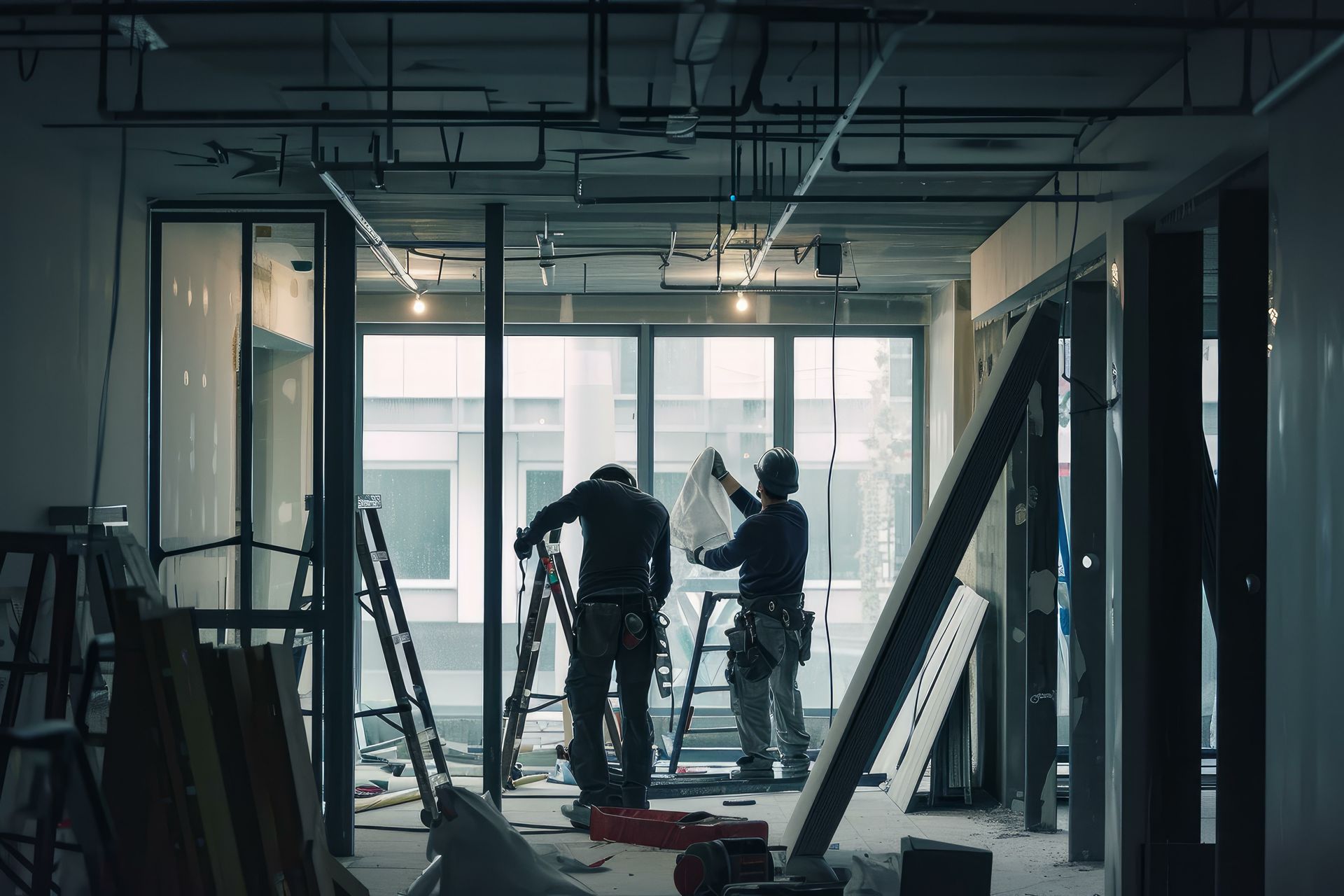
We specialise in retail and hospitality refurbishment across Liverpool, delivering tailored fit out solutions for shops, restaurants, hotels and leisure venues. Our approach combines practical project management with design awareness, ensuring your space performs commercially while meeting compliance standards.
From independent retail units to multi-storey hotel refurbishments, we provide structured, professionally managed projects across Liverpool’s key commercial districts.
Retail Fit Out in Liverpool’s High-Footfall Areas
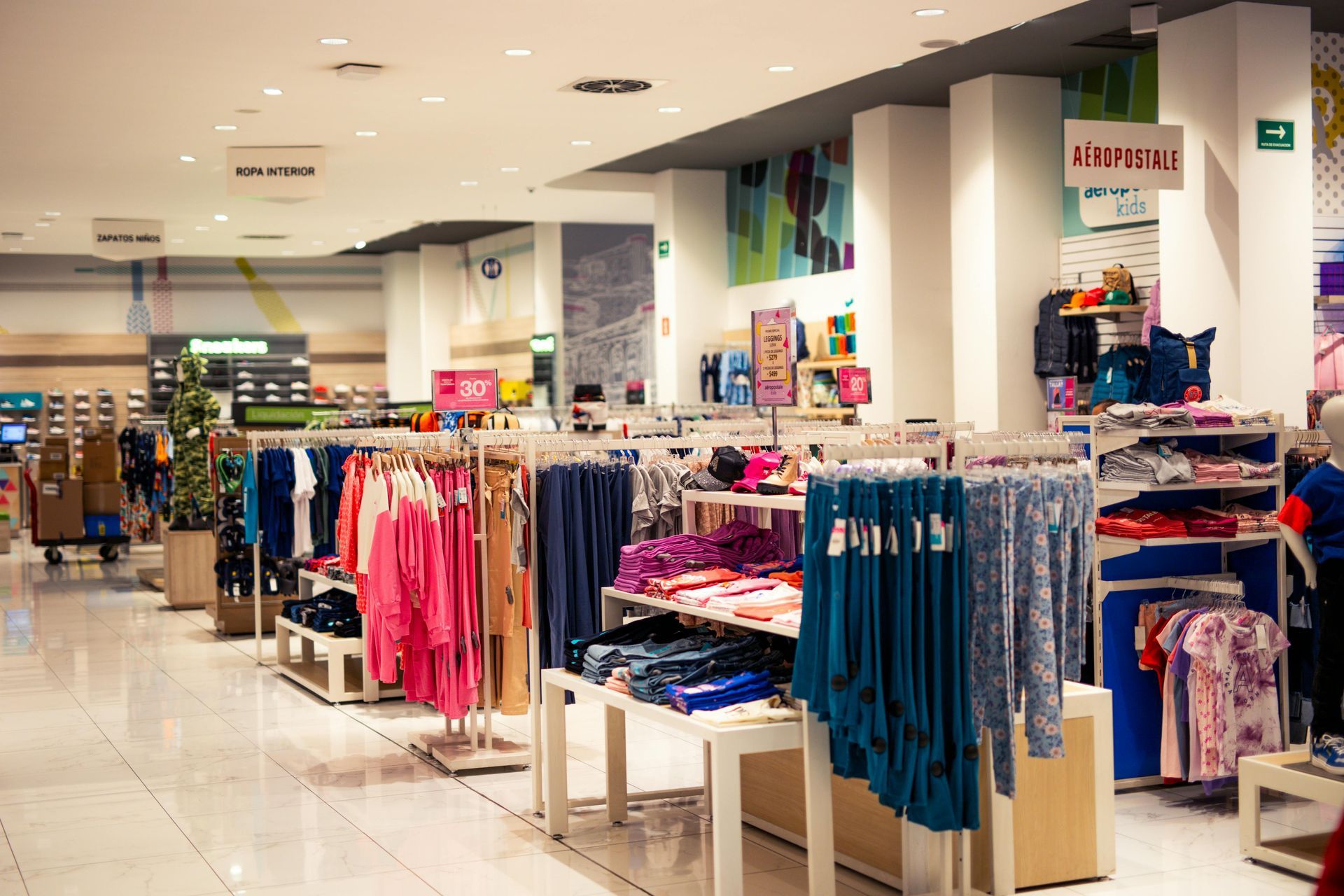
Retail environments in Liverpool must attract attention, manage foot traffic and create memorable customer experiences.
We deliver retail refurbishment and fit out across areas including:
- Liverpool ONE
- Bold Street
- Church Street
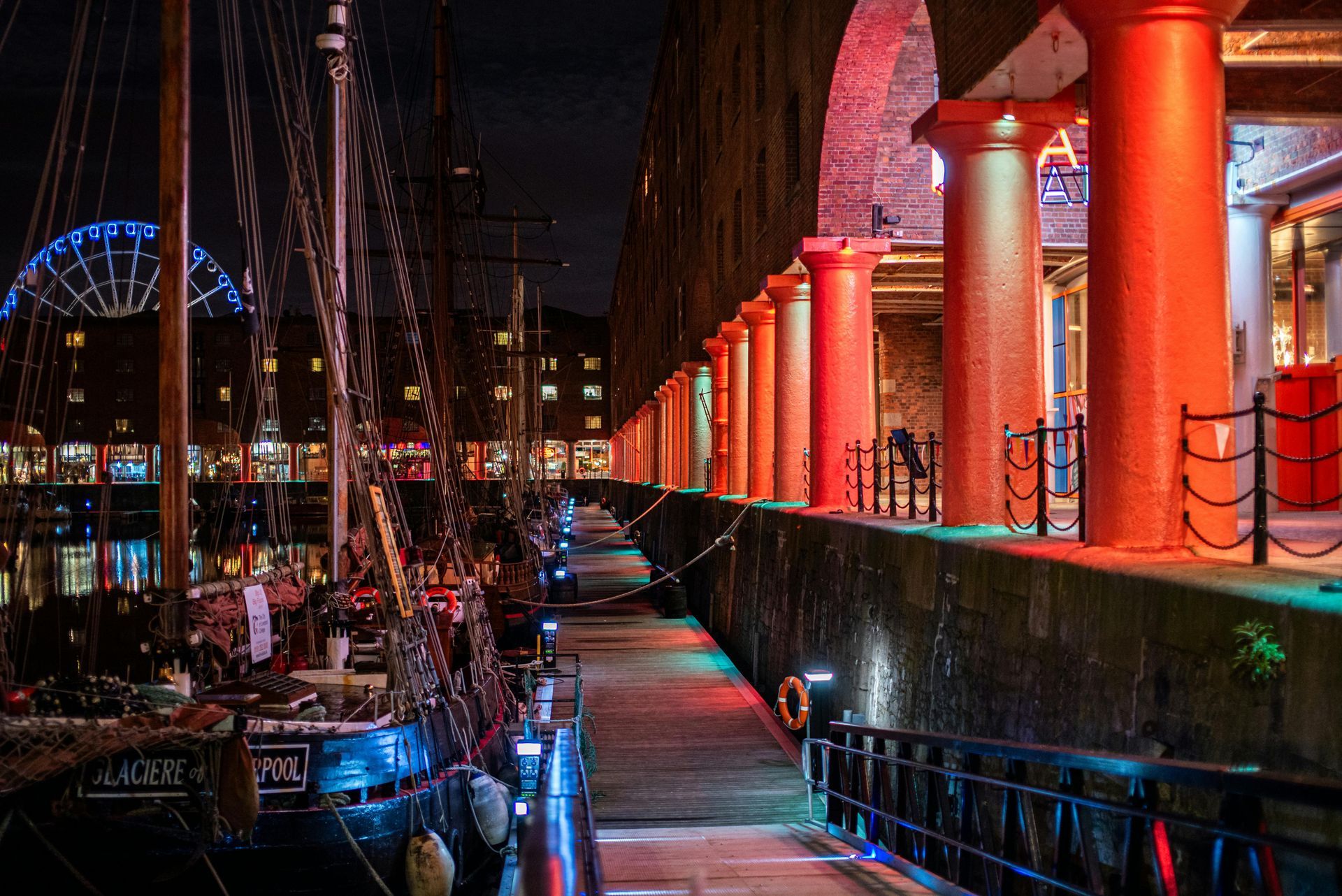
- Albert Dock
- City Centre Arcades
- Suburban retail parades
Retail refurbishment often includes:
- Shopfront upgrades
- Interior reconfiguration
- Lighting redesign
- Display optimisation
- Flooring replacement
- Storage and back-of-house improvements
In high-footfall zones, logistics and scheduling are critical. We carefully coordinate deliveries, waste removal and contractor access to minimise disruption to neighbouring businesses.
Retail spaces must balance design appeal with durability. Materials, layout and lighting all influence customer flow and dwell time — key factors in commercial performance.
Hotel & Hospitality Refurbishment in Liverpool
Liverpool’s hospitality sector includes boutique hotels, waterfront apartments, serviced accommodation and branded hotel chains.
Hospitality refurbishment requires attention to:
- Guest room upgrades
- Reception redesign
- Lobby transformation
- Restaurant and bar fit out
- Accessibility compliance
- Fire safety integration
Hotels operate continuously, so phased refurbishment planning is essential. We schedule works strategically to allow partial occupancy while upgrading specific floors or zones.
Public areas must create strong first impressions while maintaining long-term durability. Bedrooms require acoustic control, efficient mechanical systems and high-quality finishes that withstand repeated use.
We understand the commercial pressure within Liverpool’s tourism market — refurbishment must improve guest experience while protecting operational revenue.
Working Within Liverpool’s Heritage & Waterfront Properties
Liverpool contains many historic and listed commercial buildings, particularly around the waterfront and city centre.
Refurbishment within older structures requires:
- Careful structural assessment
- Sensitivity to architectural features
- Compliance with conservation guidelines
- Coordination with local planning authorities
Modern retail and hospitality brands often occupy buildings with heritage constraints. Adapting contemporary design within traditional frameworks requires technical planning and precise execution.
We manage these projects with respect for structural integrity and regulatory compliance.
Refurbishment Without Business Closure
Retailers and hospitality venues cannot always afford to close during refurbishment.
We offer:
- Phased works
- Night and weekend scheduling
- Temporary partitioning
- Controlled work zones
- Noise and dust management
In high-traffic tourist areas such as the waterfront and Liverpool ONE, project timing is crucial. Strategic planning allows improvements without sacrificing peak trading periods.
Compliance & Operational Safety
Retail and hospitality refurbishments must meet:
- Fire safety legislation
- Accessibility requirements
- Food safety standards (where applicable)
- Building regulations
- Electrical certification requirements
Restaurants and hotels require additional compliance considerations due to kitchens, extraction systems and occupancy levels.
Early-stage planning reduces risk and ensures smooth project delivery.
Sustainable Retail & Hospitality Refurbishment
Sustainability is increasingly influencing consumer perception.
We incorporate:
- Energy-efficient lighting
- Low-energy mechanical systems
- Durable materials to reduce replacement cycles
- Waste reduction strategies
Refurbishment provides an opportunity to modernise infrastructure and improve operational efficiency without full structural redevelopment.
Why Liverpool Businesses Choose Us
Liverpool’s retail and hospitality sectors demand reliability, creativity and operational sensitivity.
Businesses choose us because we provide:
- Clear project management
- Transparent cost planning
- Minimal disruption to trading
- Compliance oversight
- Structured scheduling
- Professional coordination
We understand the pressures of operating in high-visibility commercial environments.
Frequently Asked Questions About Retail & Hospitality Refurbishment Design & Fit Outs in Liverpool, Merseyside
How much does a retail fit out cost in Liverpool?
Retail fit out costs in Liverpool vary depending on size, location and specification. Smaller independent retail units may require modest refurbishment budgets, while flagship stores in prime areas such as Liverpool ONE can require significantly higher investment.
Costs depend on:
Interior design complexity
Shopfront alterations
Mechanical and electrical upgrades
Lighting systems
Flooring and finishes
Storage and display installations
High-footfall areas may also require premium materials capable of handling heavy daily traffic.
A detailed specification and site survey are essential to establish accurate cost projections. Transparent budgeting helps retailers plan investment strategically while aligning refurbishment with commercial goals.
Can hotel refurbishment be completed without closing the entire property?
Yes, but it requires structured phasing and detailed scheduling.
Many Liverpool hotels undergo refurbishment floor by floor or zone by zone. This allows parts of the property to remain operational while improvements are carried out elsewhere.
Key considerations include:
Guest safety
Noise management
Temporary access routes
Fire safety compliance
Communication with staff
Public areas such as reception and restaurants may be refurbished in carefully timed stages to minimise guest disruption.
Strategic planning allows hotels to protect revenue while modernising facilities.
Do listed buildings in Liverpool require special approval for refurbishment?
Yes. Liverpool contains numerous listed and heritage properties, particularly in waterfront and city-centre areas.
If a building is listed or located within a conservation area, planning approval may be required before structural alterations or external changes are made.
Approval processes may involve:
Detailed architectural drawings
Heritage impact assessments
Consultation with planning authorities
Internal works may also be restricted depending on building status.
Early investigation of property classification prevents delays and ensures compliance throughout the project lifecycle.
How long does a retail or hospitality refurbishment take in Liverpool?
Timelines vary depending on project scope.
Small retail refurbishments may take several weeks, while hotel upgrades can extend over several months depending on scale.
Factors influencing duration include:
Size of property
Structural alterations
Planning approval
Procurement lead times
Phased scheduling requirements
Clear milestone planning and contractor coordination reduce delays and improve predictability.
What are the commercial benefits of refurbishing a retail or hotel space?
Refurbishment can improve:
Customer perception
Footfall engagement
Guest satisfaction
Operational efficiency
Brand positioning
In competitive markets such as Liverpool’s retail and tourism sectors, modernised spaces can strengthen market presence and increase revenue potential.
Strategic refurbishment is not merely cosmetic — it supports long-term commercial growth.