
Retail Fit-Out Guide: What Shops Need Before Opening or Refurbishing
A successful retail fit-out is about more than making a shop look attractive. It must support customer flow, product display, staff operations, accessibility, safety, lighting, signage, storage and opening deadlines. This guide explains what shops need before opening, refurbishing or upgrading a commercial retail space.
Why Retail Fit-Out Planning Matters
A retail fit-out is one of the most important stages in preparing a shop for trading. Whether the space is a brand-new unit, a former retail premises, a high street shop, a shopping centre unit or a specialist customer-facing space, the way it is fitted out will influence how customers move, what they notice, how long they stay and whether the business can operate efficiently.
Retail environments have different demands from standard offices or industrial premises. A shop must work for customers and staff at the same time. It needs to look appealing from the outside, guide people through the space, present products clearly, support secure payment points, provide storage, protect stock, meet safety requirements and withstand daily wear from regular footfall.
Poorly planned retail fit-outs can create long-term problems. A beautiful shop can still fail operationally if the counter is in the wrong place, lighting is poor, displays block movement, stockrooms are too small, staff areas are neglected or customers cannot easily understand where to go. Good design should support sales, service and practical day-to-day use.
For businesses planning to open or refurbish a shop in the UK, early planning is essential. Landlord approvals, signage permissions, building regulations, fire safety, accessibility, utilities, mechanical and electrical work, flooring, lighting and bespoke joinery can all affect the programme. The more clearly these issues are addressed at the start, the smoother the fit-out is likely to be.
Quick Answer: What Does a Retail Fit-Out Include?
A retail fit-out usually includes shop layout planning, flooring, ceilings, lighting, decoration, counters, display units, signage, changing rooms where needed, stockroom areas, staff facilities, electrical work, security features, accessibility and final handover.
The exact scope depends on the type of shop and the condition of the unit. A fashion retailer may need changing rooms, display rails and strong visual merchandising. A convenience store may need counters, shelving, refrigeration, security and stock handling. A salon, showroom or specialist retailer may need bespoke joinery, customer consultation areas, plumbing or specialist equipment.
The best retail fit-outs balance appearance with practical performance. Customers should understand the space quickly, products should be easy to browse, staff should be able to serve efficiently, and the business should be able to open with confidence.
Retail Fit-Out Checklist Before Opening or Refurbishing
Before work begins, the shop owner, landlord and contractor should understand exactly what the space needs to achieve. A clear checklist helps avoid missed items, late changes and opening delays.
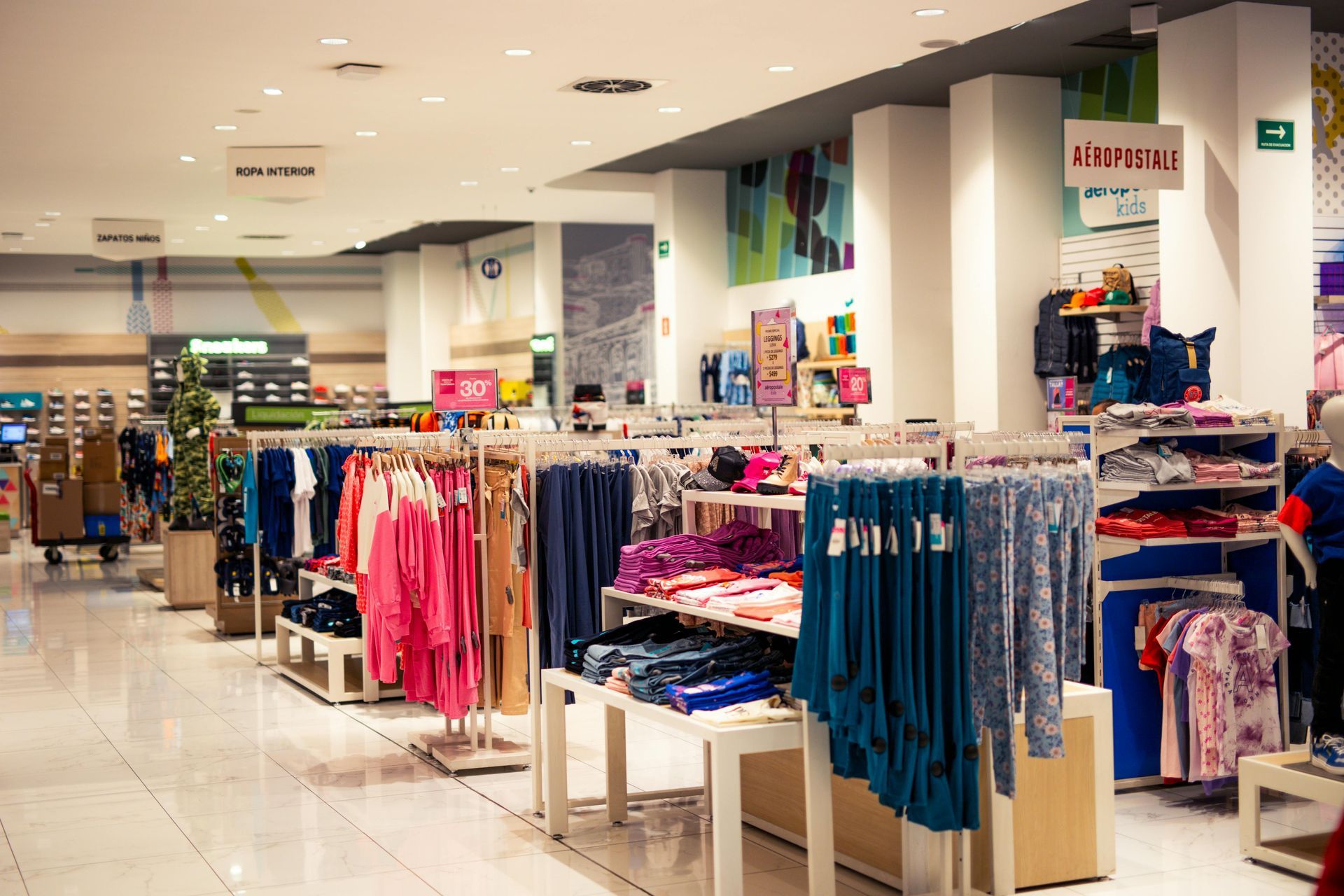
Plan how customers enter, browse, interact with products, reach the counter, queue, pay and leave. The layout should feel natural rather than confusing.
The entrance, window display, signage and lighting should clearly communicate the brand and encourage people to enter the shop.
Shelving, rails, counters, stands and display units should suit the type of product, stock levels and customer browsing behaviour.
The counter should be positioned for visibility, security, customer service and efficient staff movement without blocking customer flow.
Retail lighting should support atmosphere, product visibility, window displays, feature areas and staff working conditions.
Storage, deliveries, staff areas, waste, cleaning supplies and back-office needs should be planned properly, not squeezed into leftover space.
Retail Layout and Customer Flow
Retail layout is one of the biggest factors in how a shop performs. A good layout should guide customers naturally through the space, make products easy to find and avoid creating bottlenecks. The layout should also support staff visibility, security and efficient service.
Some shops benefit from open layouts that allow customers to browse freely. Others need more structured routes, especially where product categories, promotions or service points need to be presented in a particular order. The right layout depends on what is being sold, how customers behave and how the business wants people to experience the shop.
| Retail Area | Fit-Out Consideration | Why It Matters |
|---|---|---|
| Entrance | Clear access, strong lighting, visible signage and an uncluttered first impression. | The entrance sets expectations and influences whether customers feel invited into the space. |
| Window display | Feature lighting, display platforms, seasonal flexibility and strong visual presentation. | Window displays can attract passing trade and communicate the shop’s identity quickly. |
| Main retail floor | Aisle widths, display positioning, product zoning and clear customer circulation. | Customers should be able to browse comfortably without feeling crowded or confused. |
| Counter area | Queue space, payment access, staff visibility, security and storage behind the counter. | The counter is often the final point of customer interaction and must work smoothly. |
| Changing rooms | Privacy, lighting, mirrors, hooks, seating, accessibility and staff monitoring. | For fashion and clothing retailers, changing room experience can influence conversion rates. |
| Stockroom | Racking, deliveries, staff access, security, waste and efficient stock movement. | A well-planned stockroom helps staff replenish products quickly and safely. |
Key Design Features in a Successful Retail Fit-Out
Retail Lighting
Lighting should do more than brighten the shop. It should highlight products, create atmosphere, improve safety, support window displays and guide attention towards important areas.
Durable Flooring
Retail floors need to handle regular footfall, cleaning, displays and stock movement. The right flooring should balance appearance, durability, slip resistance and maintenance.
Bespoke Joinery
Counters, shelving, product displays and service desks often need to be tailored to the brand and product type. Bespoke joinery can improve both appearance and practicality.
Brand-Led Finishes
Colours, materials, wall finishes, signage and display details should reflect the brand clearly. A consistent visual style helps customers remember the business.
Security and Visibility
Layout, mirrors, CCTV positioning, counter placement and stock visibility should all help reduce blind spots and support staff supervision.
Flexible Display Systems
Retail displays often need to change for seasons, promotions or new ranges. Flexible shelving, rails and modular displays help the shop adapt over time.
Retail Fit-Out Costs and Timescales
Retail fit-out costs and timelines vary widely depending on the condition of the unit, the quality of finishes, the complexity of the layout and whether specialist equipment is required. A simple shop refresh may be completed quickly, while a full fit-out from an empty shell can take significantly longer.
| Project Type | Typical Scope | Typical Timeline |
|---|---|---|
| Light Retail Refresh | Decoration, lighting improvements, minor flooring work, display updates and general repairs. | 1–4 weeks |
| Mid-Range Shop Refurbishment | New layout, flooring, counters, displays, signage, lighting and back-of-house improvements. | 4–10 weeks |
| Full Retail Fit-Out | Empty unit fit-out including services, flooring, ceilings, joinery, signage, stockroom and staff facilities. | 8–16+ weeks |
| Specialist Retail Fit-Out | Salons, food retail, showrooms or shops requiring plumbing, extraction, refrigeration or specialist equipment. | 10–20+ weeks |
Opening deadlines should be planned carefully. Retail businesses often have fixed launch dates, seasonal trading periods or lease start dates. Delays can affect revenue, staffing, stock deliveries and marketing campaigns, so fit-out planning should begin well before the intended opening date.
Compliance, Accessibility and Practical Requirements
A retail fit-out must be attractive, but it must also be safe, accessible and suitable for everyday use. Depending on the shop type and the work involved, the project may need to consider building regulations, fire safety, accessibility, electrical safety, landlord approvals, planning restrictions and signage permissions.
Fire Safety
Escape routes, alarm systems, emergency lighting, fire doors, staff training and stock storage should all be considered. Displays, queues or stored materials should not block exits or create unsafe routes.
Accessibility
Entrances, routes, counter heights, fitting rooms, signage and customer movement should be considered so the space is practical for as many people as possible.
Electrical and Lighting Safety
Retail shops often need additional lighting, till points, display power, security systems and data cabling. Electrical work should be properly planned and tested.
Landlord and Lease Conditions
Tenants should check whether the landlord needs to approve changes to layout, signage, shopfronts, flooring, services or the building fabric before work begins.
Important planning point: Retail fit-outs often involve visible customer-facing work and hidden operational work. Both matter. A shop may look finished, but it must also have safe electrics, suitable access, clear fire routes, practical storage and staff areas that support daily trading.
Common Retail Fit-Out Mistakes to Avoid
A shop can look attractive but still fail if products are hard to browse, counters are poorly placed or customers do not understand the layout.
Stockrooms, staff storage and waste areas are often squeezed too much. Poor storage can slow staff down and make replenishment difficult.
Signage, graphics and shopfront details should be planned early because they may need landlord approval, manufacturing time or installation coordination.
Lighting affects product appearance, atmosphere and safety. Generic lighting may not suit window displays, shelves, counters or changing rooms.
Staff need practical counter space, storage, safe access, rest areas and efficient stock movement. A good shop must work behind the scenes too.
Opening dates should allow time for snagging, cleaning, stock setup, staff training, signage installation and final checks before customers arrive.
Frequently Asked Questions
What is included in a retail fit-out?
Short answer: A retail fit-out usually includes layout planning, flooring, ceilings, lighting, decoration, display units, counters, signage, electrical work, security features, storage, staff areas and final handover.
The exact scope depends on the type of shop and the starting condition of the space. If the unit is an empty shell, the fit-out may need to include almost everything required to make the shop operational. This can include flooring, ceilings, lighting, heating, ventilation, electrical systems, plumbing, fire safety features, display areas, counters and staff facilities. If the shop is already trading and only needs refurbishment, the work may focus more on modernising finishes, improving layout, upgrading displays and refreshing the customer experience.
Retail fit-outs are usually more customer-focused than many other commercial projects. The design needs to encourage people into the shop, help them understand where products are, make browsing comfortable and support a smooth payment process. Window displays, lighting, signage, product zoning and counter placement all play an important role.
Back-of-house areas are also important. A shop needs storage, delivery routes, waste areas, cleaning facilities and staff spaces. These areas may not be visible to customers, but they strongly affect how efficiently the business operates. A retail fit-out should therefore balance visual design with practical function.
Depending on the business type, specialist items may also be required. Food retailers may need refrigeration, extraction or hygiene-focused finishes. Salons may need plumbing and treatment areas. Fashion retailers may need changing rooms, mirrors and flexible display systems. The best fit-out is one that reflects how the specific business sells, serves and manages its daily operation.
How long does a retail fit-out take?
Short answer: A retail fit-out can take from a few weeks to several months depending on the size of the unit, condition of the space, design complexity and whether specialist services are required.
A light shop refresh may take 1 to 4 weeks if the work is limited to decoration, minor flooring, lighting improvements, display changes and general repairs. A mid-range retail refurbishment involving a new layout, counters, signage, shelving, flooring and lighting may take 4 to 10 weeks. A full retail fit-out from an empty unit can take 8 to 16 weeks or longer, especially if mechanical, electrical, plumbing or specialist equipment is involved.
The full project timeline is usually longer than the on-site period. Before work begins, the business may need to complete surveys, agree the layout, choose materials, obtain landlord approval, order long-lead items and confirm signage or shopfront details. These planning stages are often where delays happen if decisions are left too late.
Retail projects are often tied to important deadlines, such as a lease start date, seasonal trading period, marketing launch or planned opening day. This means the programme should include time for snagging, cleaning, stock installation, staff training and final setup. Opening the day after the contractor leaves can be risky if there are still small issues to resolve.
Specialist retail spaces can take longer. A salon, café, showroom or food retail unit may need plumbing, extraction, refrigeration, specialist finishes or additional compliance checks. The safest approach is to plan backwards from the target opening date and allow realistic time for design, approvals, procurement, construction and handover.
How much does a shop fit-out cost in the UK?
Short answer: Shop fit-out costs in the UK vary widely depending on size, specification, building condition and business type. A simple refresh may be relatively modest, while a full bespoke retail fit-out can require a much larger investment.
The biggest cost factors are the condition of the unit, the level of finish required and the amount of specialist work involved. A shop that already has suitable lighting, flooring, electrics, toilets and back-of-house areas will usually cost less to refurbish than an empty shell unit. A high-end fashion store, salon, showroom or food retail space will usually cost more than a simple low-spec refresh because the finishes, joinery, lighting and services are more detailed.
Typical cost items include strip-out, flooring, ceilings, decoration, lighting, electrical work, counters, shelving, display units, signage, staff areas, security systems, stockroom fit-out and waste removal. Some quotes may exclude furniture, signage, IT systems, specialist equipment, landlord approval costs or professional fees, so businesses should always check what is included.
Costs can also increase if the building has hidden issues. Older premises may need electrical upgrades, damp repairs, fire safety improvements, flooring preparation or asbestos checks before the visible fit-out can continue. City-centre locations or shopping centre units may also have access restrictions that affect labour and delivery planning.
The best way to control shop fit-out costs is to agree the brief early, complete surveys, choose materials before work starts, include a contingency and avoid late changes. A well-planned fit-out does not always mean spending the most money. It means investing in the areas that affect customer experience, trading efficiency and long-term durability.
What should retailers consider before refurbishing a shop?
Short answer: Retailers should consider customer flow, product display, lighting, signage, stockroom space, staff operations, accessibility, safety, budget, landlord approval and opening deadlines before refurbishing a shop.
The first question should be: what problem does the refurbishment need to solve? Some shops need to look more modern. Others need better display space, improved customer movement, stronger window displays, a more efficient counter, larger stockrooms or a better brand experience. Understanding the main objective helps guide the design and budget.
Customer flow is one of the most important considerations. Shoppers should be able to enter easily, understand the layout, browse products comfortably and find the payment point without confusion. Displays should support buying behaviour rather than simply filling space. A cluttered or awkward layout can reduce the effectiveness of even high-quality products.
Retailers should also consider lighting carefully. Good lighting can make products look better, support window displays, create atmosphere and help customers navigate the space. Poor lighting can make a shop feel flat, harsh or uninviting.
Back-of-house areas should not be forgotten. Stockrooms, staff areas, cleaning storage, waste, deliveries and security all affect daily operations. A shop that looks good but is difficult for staff to run can create long-term frustration.
Practical approvals should also be checked early. If the shop is leased, landlord consent may be required for alterations, signage, flooring or services. Some shopfront changes may need additional permissions. Budget and timescale should include surveys, procurement, fit-out works, snagging, cleaning and stock setup before opening.
Can a shop stay open during refurbishment?
Short answer: Some shops can stay open during refurbishment, but this depends on the scope of work, safety risks, customer access, noise, dust and whether the project can be phased.
Keeping a shop open during refurbishment can help protect revenue, but it requires careful planning. The work must be separated from customers and staff, and the trading environment must remain safe, clean and practical. This may involve temporary hoardings, phased work areas, out-of-hours activity, restricted access routes and additional cleaning.
Small cosmetic works may be easier to complete while trading continues. For example, minor decoration, display changes, lighting adjustments or phased flooring work may be manageable if the shop can remain safe and presentable. Larger projects involving electrical work, ceiling removal, flooring replacement, counter relocation, plumbing or major layout changes may be more difficult to complete while open.
Retailers must also consider customer perception. A shop that remains open during refurbishment may look disrupted, noisy or unfinished. This can affect the buying experience unless the works are carefully screened and communicated. In some cases, a short planned closure may be better than several weeks of compromised trading.
Health and safety is the deciding factor. Customers should not be exposed to trip hazards, dust, tools, open works, blocked exits or unsafe access. Fire routes must remain clear, and staff must understand which areas are restricted. If the refurbishment affects essential services, tills, entrances or stock areas, trading may not be practical.
The best approach depends on the business. Some retailers choose phased works to remain open, while others close briefly to complete the project faster and relaunch with a stronger impact.
Why is lighting important in a retail fit-out?
Short answer: Lighting is important in a retail fit-out because it affects product presentation, customer mood, safety, navigation, window displays and the overall shopping experience.
Retail lighting is not simply about making the shop bright. Different areas of the shop often need different types of lighting. Window displays may need feature lighting to attract attention from outside. Product shelves may need focused lighting so customers can see details clearly. Changing rooms need flattering, comfortable lighting. Counters need practical lighting for transactions, wrapping and staff tasks.
Poor lighting can make even a well-designed shop feel unappealing. Harsh lighting may make the space feel cold or uncomfortable, while dim lighting can make products difficult to see. In fashion, jewellery, interiors, beauty and lifestyle retail, lighting can significantly affect how products appear. Colour temperature, beam angle, glare and shadow should all be considered.
Lighting also helps guide customer movement. Brighter feature zones can draw attention to new products, promotions or focal displays. A balanced lighting scheme can make the shop feel more structured and easier to navigate. Emergency lighting and safe visibility are also important for compliance and customer safety.
Energy efficiency should be considered too. LED lighting can reduce energy use and maintenance compared with older systems, while controls can help manage lighting levels throughout the day. For retailers, this matters because lights are often used for long trading hours.
A good retail fit-out should treat lighting as a core design element, not an afterthought. It should support the brand, products, staff and customers at the same time.
Planning a Retail Fit-Out That Works Beyond Opening Day
A successful retail fit-out should help a shop trade effectively, not just look good on opening day. The layout, lighting, counters, displays, signage, stockroom and staff areas all need to support the way the business operates every day.
By planning the project properly before work begins, retailers can reduce delays, avoid missed details and create a commercial space that supports customers, staff and long-term business performance.