

Comprehensive facilities management services provider in Liverpool, Merseyside.
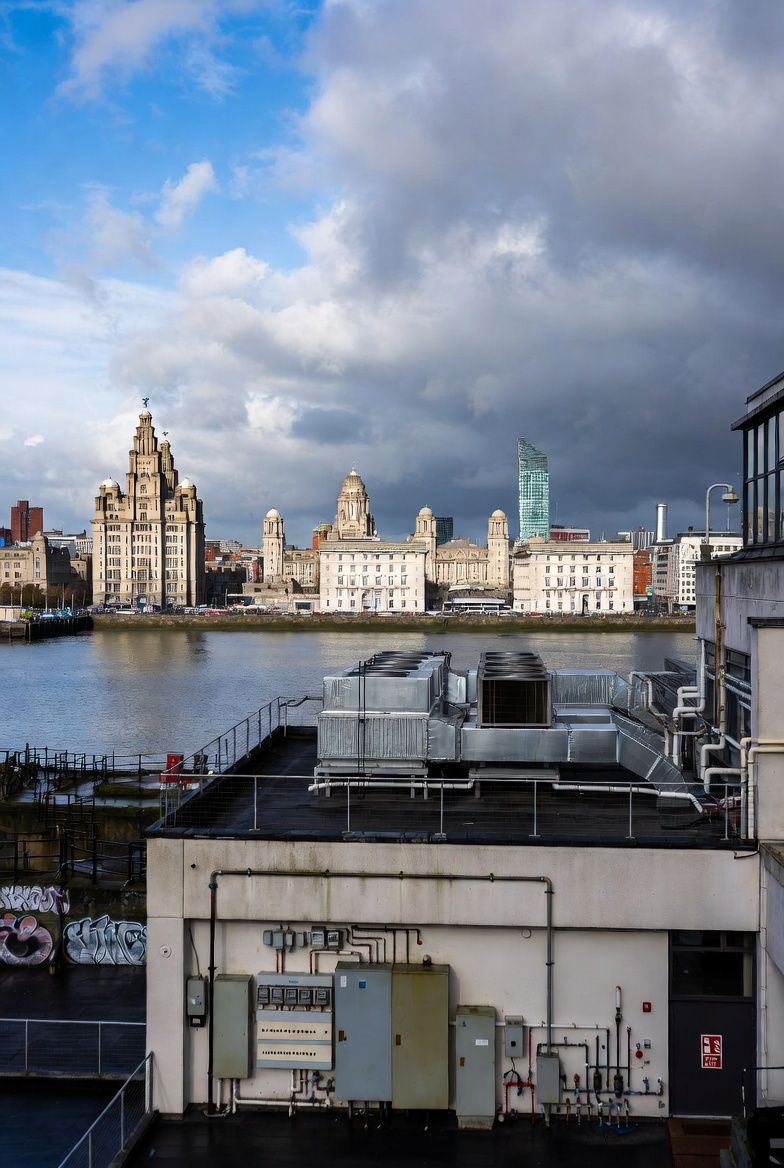
Welcome to Group Services Northwest, your trusted partner in facilities management across Liverpool and the wider Merseyside region. With extensive experience spanning several decades, we specialise in delivering customised solutions that ensure your buildings operate smoothly, efficiently, and safely. Whether you're managing historic landmarks along the River Mersey or contemporary office spaces in the city centre, our team understands the unique demands of Liverpool's diverse architectural landscape and bustling urban environment. We focus on integrating all essential systems to create comfortable, sustainable, and compliant spaces that support your business goals.
FM Services for Liverpool Businesses
At Group Services Northwest, we offer a wide range of hard facilities management services designed to keep your properties in optimal condition. Our approach emphasises preventative measures, rapid response, and innovative technologies to minimise downtime and extend asset longevity. Below is an overview of our key services:
HVAC Systems Management
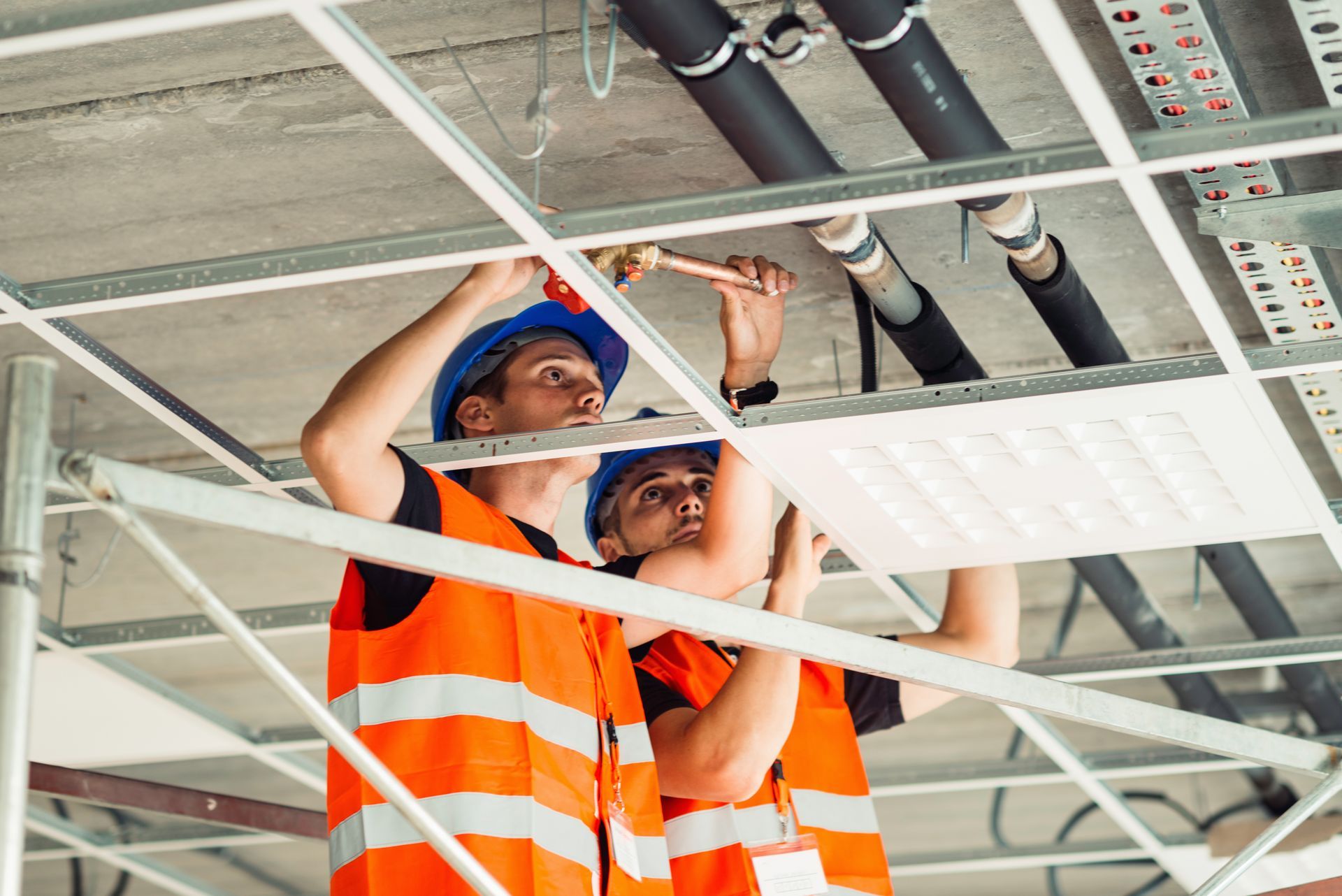
We provide thorough preventative servicing to keep your heating, ventilation, and air conditioning systems running efficiently year-round. Our experts handle fault identification and swift repairs for issues such as inconsistent temperatures or unusual noises. Additionally, we offer upgrades and new installations focused on energy-saving technologies, helping you reduce utility costs while maintaining ideal indoor environments, even during Liverpool's variable weather.
Electrical Systems Maintenance
Safety and reliability are paramount in our electrical services. We conduct detailed inspections to identify potential risks and ensure full compliance with UK regulations. Our team manages routine maintenance and urgent fixes for problems like circuit overloads or outdated wiring. We also specialise in modern lighting upgrades, including LED conversions that enhance energy efficiency and improve workspace illumination.
Plumbing and Drainage Solutions
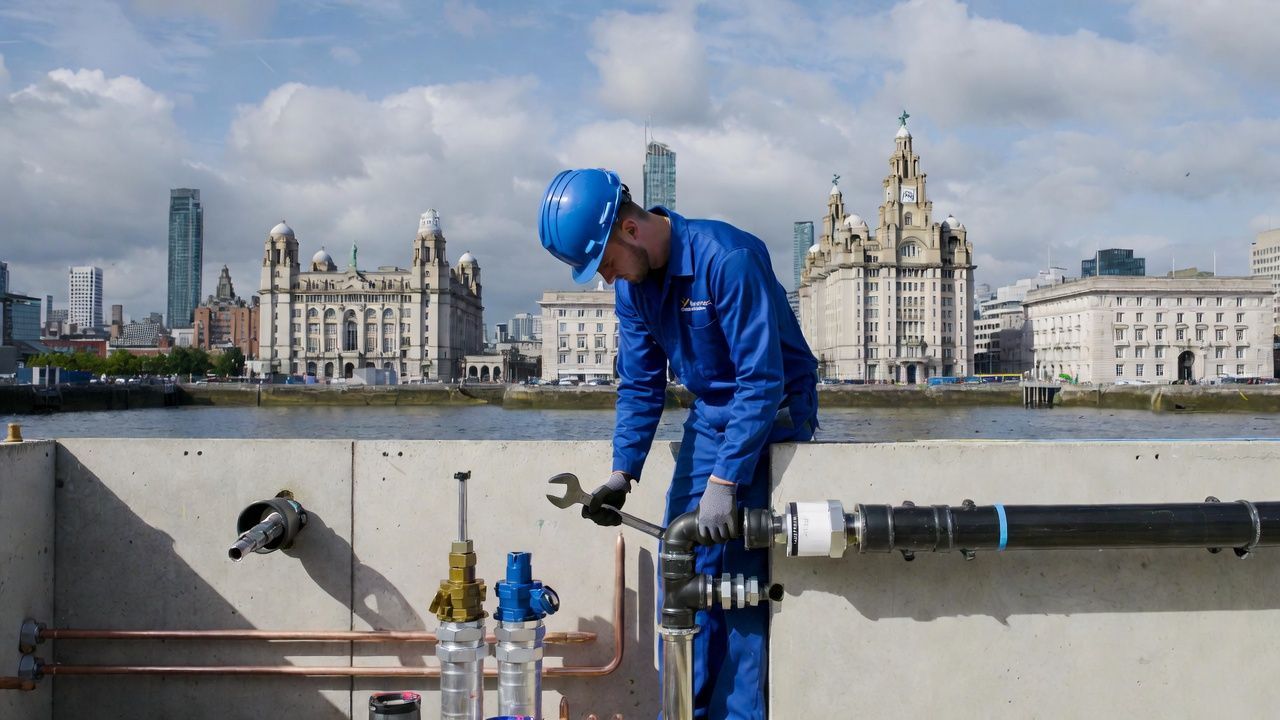
To prevent costly disruptions, we perform regular inspections and cleanings to avoid leaks, clogs, or overflows. Our 24/7 emergency response team is always on hand for urgent plumbing issues, ensuring quick resolutions. We also assess and optimise drainage systems to promote efficient water management, which is particularly vital in Merseyside's coastal areas prone to heavy rainfall.
Fire and Security Services
Protecting your assets and occupants is our priority. We maintain and test fire alarm systems, conduct evacuation drills, and perform comprehensive risk assessments to mitigate hazards. Our security offerings include the installation and ongoing monitoring of CCTV, access controls, and intruder alarms, all tailored to meet the specific security needs of Liverpool's commercial and public buildings.
In addition to these core services, we integrate smart building technologies, such as automated controls and predictive analytics, to enhance overall performance. Our maintenance packages include round-the-clock emergency support, on-site spare parts availability, and flexible contracts to suit businesses of all sizes.
Why Choose Group Services Northwest for Your Facilities Management Needs?
Partnering with us brings numerous advantages, backed by our commitment to excellence and local expertise:
- Decades of Proven Expertise: With years of hands-on experience, we handle everything from heritage sites to modern developments, ensuring tailored strategies that fit your building's specific requirements.
- Customised Management Plans: We reject generic approaches, instead crafting personalised plans that optimise efficiency, safety, and cost-effectiveness.
- Focus on Sustainability and Savings: Through energy-efficient upgrades and proactive maintenance, we help clients achieve significant reductions in operational costs—often between 15-25%—while promoting environmental responsibility.
- Rapid Response and Minimal Disruption: Our Merseyside-based teams offer swift call-outs and 24/7 availability, keeping your operations running without interruption.
- Compliance and Peace of Mind: As an accredited provider, we ensure all work meets industry standards, giving you confidence in regulatory adherence.
- Advanced Technology Integration: We leverage cutting-edge tools for smarter, more predictive facility oversight, aligning with the latest industry advancements.
One satisfied client shared: "The service is outstanding, with prompt responses, expert advice, and consistently excellent performance metrics." – Property Manager, Local Estate Agency.
Tailored Solutions for Liverpool and Merseyside
Liverpool's rich maritime heritage combined with its thriving modern economy—from tourism and retail in the city centre to industrial hubs in areas like Knowsley and Sefton—demands facilities management that adapts to local challenges. At Group Services Northwest, we're embedded in the community, understanding the need for resilient systems that withstand the region's windy winters and humid summers. We safeguard iconic structures, such as those along the waterfront or in cultural districts like the Baltic Triangle, ensuring they remain functional and inviting. By choosing a local partner, you benefit from faster service times, reduced travel emissions, and support for Merseyside's economic growth, including sectors like logistics, healthcare, and education.
FM Service Coverage Across Liverpool
Facilities management services are delivered across Liverpool city centre and key commercial, industrial, and mixed-use areas, including:
- The Baltic Triangle
- Liverpool Knowledge Quarter
- Speke and Speke Industrial Estate
- Garston and South Liverpool docks
- Bootle and the Port of Liverpool area
- Aintree and North Liverpool business zones
Services also extend across the wider Merseyside area, supporting organisations with multiple sites that require consistent facilities management standards across all premises.
Facilities management is a long-term partnership that supports operational resilience, safety, and compliance. Working with a facilities management company that understands local requirements can help ensure buildings are maintained to consistent standards while allowing businesses to focus on their core activities. Contact Us.
Frequently Asked Questions: Facilities Management Services in Liverpool, Merseyside
What does a facilities management company do?
A facilities management company coordinates the services that keep non-domestic buildings safe, functional, compliant, and efficient. Instead of dealing with maintenance, cleaning, compliance checks, and contractors separately, an organisation uses facilities management to bring these activities under a structured plan with clear accountability. This typically covers hard services (such as building fabric, electrical, HVAC, and plumbing), soft services (such as cleaning, waste management, grounds maintenance, and security), and compliance tasks (such as scheduling statutory inspections and maintaining records).
Good facilities management is proactive as well as reactive. Planned preventative maintenance reduces the risk of breakdowns and downtime, while structured reporting helps organisations understand what is happening across a site and what is coming next. It also supports health and safety duties by ensuring risks are identified, actions are logged, and remedial works are prioritised appropriately.
In practical terms, facilities management helps organisations protect people, assets, and continuity. It reduces disruption, supports budgeting by improving cost predictability, and creates a consistent standard across one building or multiple sites.
What is included in facilities management services?
Facilities management services usually include a mix of hard services, soft services, and compliance support, tailored to the building type and operational needs. Hard FM focuses on the building’s physical infrastructure: electrical systems, heating and ventilation, air conditioning, plumbing and drainage, building fabric repairs, and mechanical plant. These services keep essential systems safe, reliable, and maintained to planned schedules.
Soft FM covers the services that support day-to-day use of the building and the experience of occupants and visitors. This commonly includes cleaning and hygiene, waste management, grounds maintenance, consumables management, and security support. In many workplaces, these services directly influence safety, wellbeing, and the professional appearance of the premises.
Facilities management often also includes planned preventative maintenance programmes, reactive call-outs, contractor coordination, helpdesk reporting, and asset registers. On the compliance side, it can involve organising statutory inspections, tracking completion dates, managing documentation, and supporting audit readiness. The goal is not simply to “do jobs”, but to ensure services are delivered consistently, risks are managed, and the building remains fit for purpose.
What’s included depends on whether you choose an integrated contract or select individual services, but the best approach is always defined by measurable standards and clear responsibilities.
What is the difference between hard and soft facilities management?
Hard facilities management relates to the physical structure and technical systems that allow a building to operate safely. It includes electrical infrastructure, mechanical plant, heating and ventilation, air conditioning, plumbing, drainage, lifts where applicable, and building fabric maintenance. Because these systems can create safety risks if they fail, hard FM is closely linked to compliance, planned maintenance, and reliability. It is typically delivered by engineers and qualified specialists, supported by documented schedules and inspections.
Soft facilities management refers to services that support people, hygiene, presentation, and day-to-day operations. This can include cleaning, waste and recycling management, grounds maintenance, pest control, reception support, and security or access support. Soft FM has a direct impact on occupant wellbeing and the professional standard of a site, and it can also affect health and safety outcomes—particularly where cleanliness, slip hazards, and safe access are concerned.
The two areas work best together. Hard FM keeps the building safe and operational; soft FM keeps it usable, clean, and well-managed for the people inside it. Many organisations choose integrated facilities management so both hard and soft services are coordinated, reducing gaps, avoiding duplicated call-outs, and improving consistency across the site.
What is planned preventative maintenance in facilities management?
Planned preventative maintenance (PPM) is a structured programme of inspections, servicing, and minor remedial work carried out at set intervals to reduce the likelihood of equipment failure. Instead of waiting for systems to break down, PPM schedules maintenance for key assets—such as HVAC units, electrical components, pumps, ventilation systems, and safety-critical equipment—so problems are identified early and addressed before they cause disruption.
PPM supports three outcomes that matter to most organisations: reliability, compliance, and cost control. Reliability improves because systems are serviced and monitored rather than run to failure. Compliance improves because statutory checks and safety-related maintenance tasks are planned, documented, and completed on time. Cost control improves because emergency call-outs and consequential damage are reduced, and equipment lifespan is typically extended through correct servicing.
A good PPM plan is built around asset criticality. High-risk or business-critical systems receive more frequent attention, while lower-risk assets are maintained at appropriate intervals. Records and reports are essential: they show what was checked, what actions were taken, and what is recommended next. Over time, PPM also helps organisations plan upgrades, forecast spend more accurately, and reduce unplanned downtime that interrupts work and damages productivity.
Is integrated facilities management worth it for businesses?
Integrated facilities management (IFM) is often worth it when a business wants simpler oversight, clearer accountability, and more consistent service delivery. Instead of managing multiple suppliers for maintenance, cleaning, compliance, and other building services, IFM brings these under one provider and management structure. That reduces admin, speeds up decision-making, and avoids situations where contractors blame one another when issues overlap.
The biggest benefit is coordination. Maintenance schedules can be planned around operational hours, cleaning routines can align with building usage, and compliance tasks can be tracked centrally with consistent documentation. For multi-site organisations, IFM helps standardise service levels so each location follows the same processes and reporting, which is particularly useful for audits and governance.
IFM can also improve cost predictability. Rather than reactive spending driven by failures and emergency call-outs, organisations can plan maintenance and agree service standards that support budgeting. It does not automatically mean “cheaper”, but it often means better value through reduced downtime, fewer duplicated visits, and clearer visibility of what is being delivered.
Whether it is worth it depends on building complexity, risk profile, and internal capacity. If you want one point of contact and joined-up delivery, IFM is usually the most practical model.
How does facilities management help with health and safety compliance?
Facilities management supports health and safety compliance by putting consistent systems in place to identify risks, complete required checks, and keep accurate records. In non-domestic buildings, employers and duty holders must manage hazards such as unsafe plant, poor maintenance, slip risks, fire safety failures, and inadequate access control. Facilities management helps by scheduling inspections, ensuring remedial works are completed, and maintaining documentation that demonstrates due diligence.
A practical example is statutory and safety-related maintenance. Facilities management can coordinate testing and servicing for safety-critical systems, track due dates, and keep certificates and reports organised. It also supports risk assessment processes by identifying issues during routine site checks and ensuring actions are logged, prioritised, and closed out. Where contractors are used, facilities management can help maintain safe working practices on-site by coordinating permits, access arrangements, and site rules.
Compliance is not just about passing an inspection; it is about reducing the likelihood of incidents. A structured FM approach helps prevent problems becoming emergencies, improves visibility of building condition, and provides evidence of controlled processes. This supports safer environments for staff and visitors, reduces disruption from incidents, and protects the organisation’s reputation by showing that health and safety responsibilities are taken seriously and managed consistently.