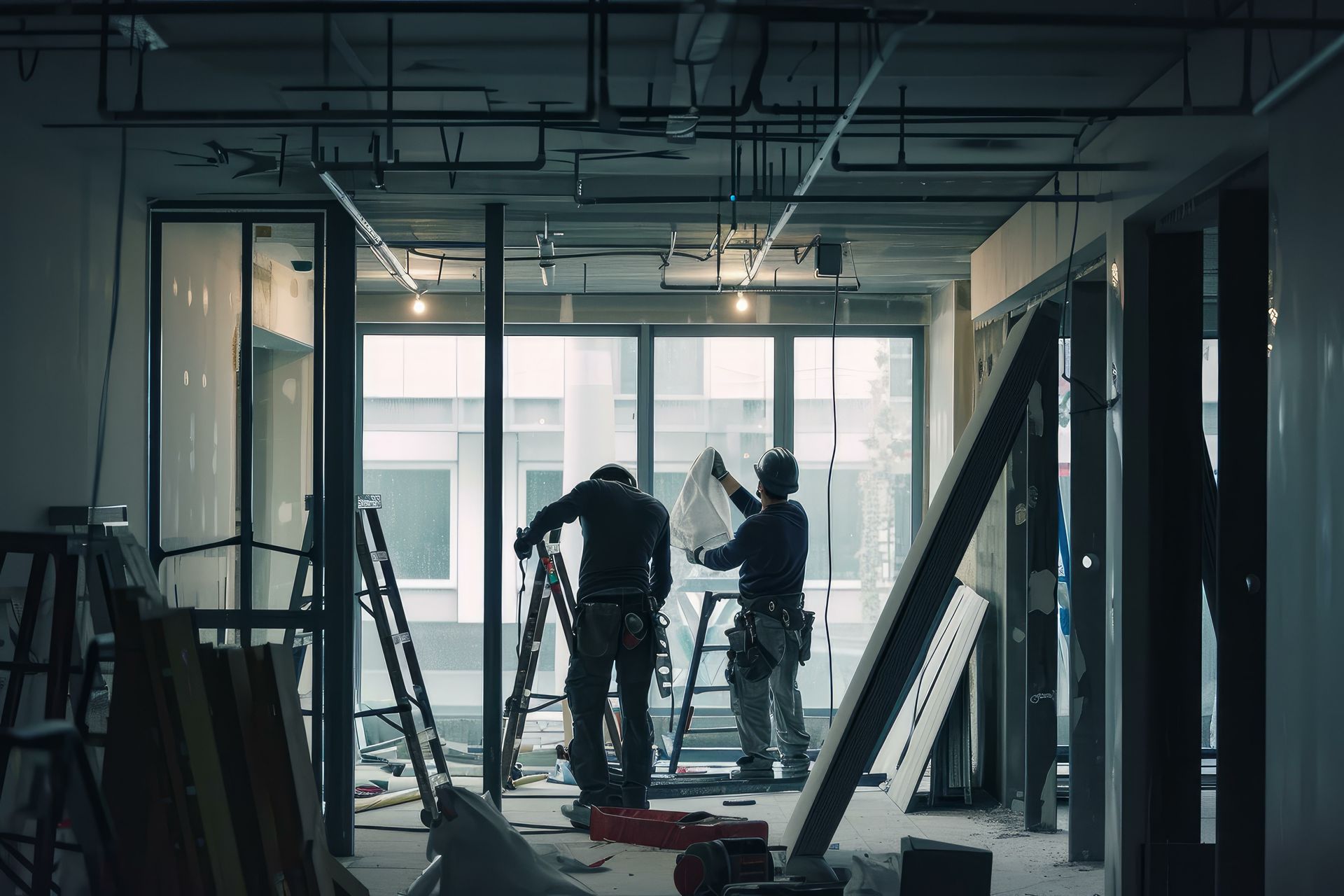
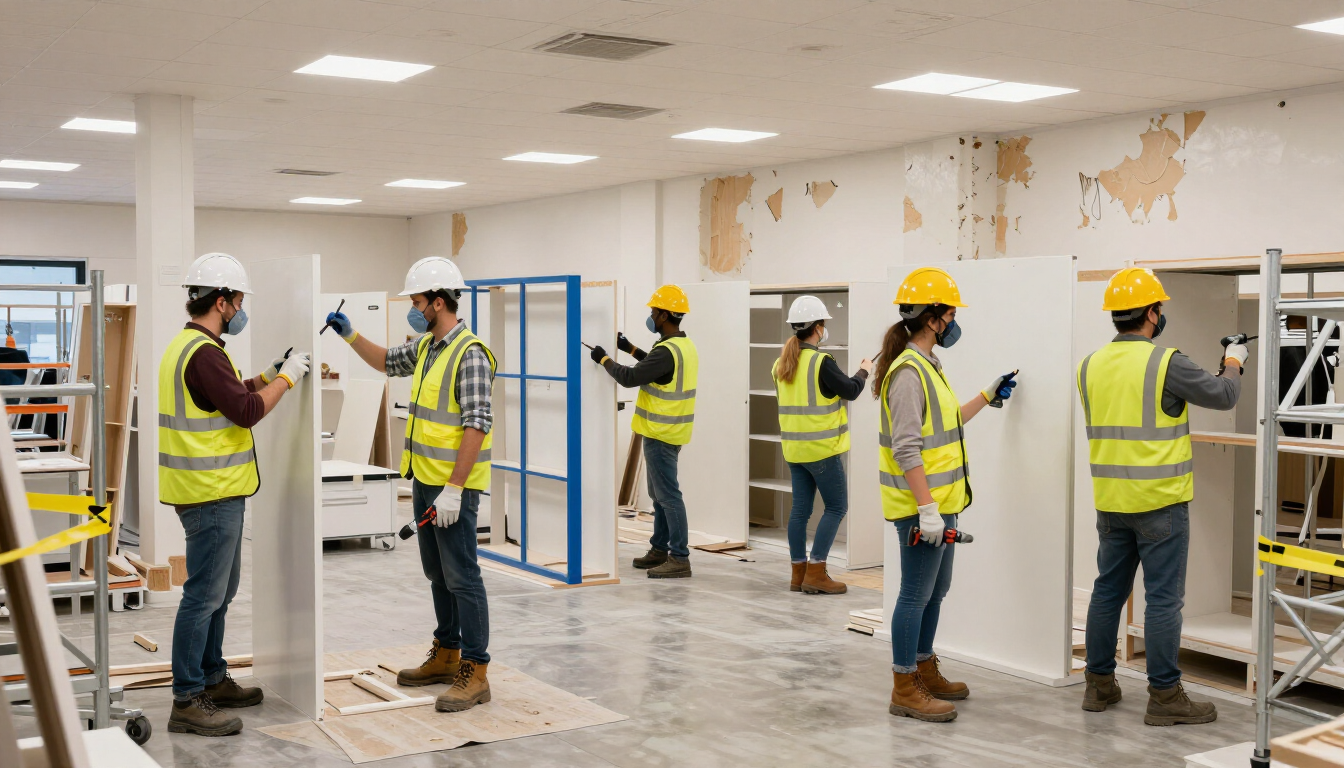

Commercial Soft Strip Out Contractors Liverpool, Merseyside
Soft Strip Out Contractors Merseyside
Group Services North West provides commercial soft strip out and internal demolition services across Liverpool and Merseyside for offices, retail units, hospitality spaces, landlords, developers and refurbishment projects. We help prepare commercial buildings safely and efficiently before fit-out, refurbishment, lease-end handover or wider demolition works.
Commercial Soft Strip Out Contractors in Liverpool
Soft strip out work is often needed before a commercial space can be refurbished, re-let, handed back to a landlord or prepared for a new fit-out. It involves the careful removal of non-structural internal elements so that the building is clear, safe and ready for the next stage of work.
Group Services North West supports Liverpool businesses, landlords, managing agents, developers and contractors with practical commercial strip-out services. This can include the removal of partitions, suspended ceilings, flooring, fixtures, fittings, joinery, counters, displays, furniture, kitchens, sanitaryware, redundant services, signage and internal finishes.
Our focus is on commercial projects where planning, access, safety, waste management and clear handover matter. Whether the site is a city-centre office, a shop unit, a hospitality venue, a landlord-managed commercial building or a premises being prepared for refurbishment, we provide a structured approach from initial review through to final site clearance.
Quick Answer: What Is Commercial Soft Strip Out?
Commercial soft strip out is the removal of non-structural internal elements from a building before refurbishment, fit-out, demolition, re-letting or lease-end handover.
In a Liverpool commercial property, this may include removing partition walls, ceilings, flooring, counters, furniture, shelving, signage, display units, doors, skirting, kitchens, toilets, redundant cabling, light fittings and other internal finishes.
The purpose is to prepare the space safely while leaving the main building structure intact, unless separate structural demolition has been specified. A good strip-out creates a clean starting point for the next contractor, landlord, tenant or refurbishment team.
Soft Strip Out Services We Can Support
Every commercial strip-out project has its own requirements. Some sites need full internal clearance, while others need selective removal so that certain areas, features or services remain in place. The scope should always be agreed clearly before work begins.
Office Strip-Out
Removal of partitions, meeting rooms, flooring, suspended ceilings, furniture, workstations, storage, kitchens and redundant internal finishes before refurbishment or fit-out.
Retail Strip-Out
Clearing shop floors, counters, display fixtures, shelving, changing rooms, signage, lighting features, flooring and back-of-house spaces for new tenants or refurbishment.
Hospitality Strip-Out
Strip-out support for cafés, restaurants, bars, leisure spaces and customer-facing premises before refurbishment, reconfiguration or new fit-out works.
Internal Demolition
Controlled removal of non-structural internal elements such as partitions, ceilings, built-in joinery, fixtures, fittings and redundant layouts.
Landlord Handover Works
Strip-out and clearance support for commercial tenants, landlords and managing agents where premises need to be returned, prepared or re-let.
Dilapidation Strip-Out
Removal of tenant alterations, partitions, flooring, fixtures and fit-out elements as part of lease-end reinstatement or dilapidation-related works.
Office Strip-Out Contractors Liverpool
Liverpool has a varied commercial property market, from city-centre offices and professional suites to converted buildings, shared workspaces, waterfront premises and business park offices. When these spaces need to be refurbished, handed back or prepared for a new occupier, office strip-out work is often required first.
Office strip-out can involve removing existing partitions, meeting rooms, suspended ceilings, carpet tiles, vinyl flooring, reception counters, kitchens, tea points, storage, glazed screens, furniture and previous tenant fit-out elements. In some cases, the aim is to return the space to an open-plan condition. In others, the work prepares the premises for a new layout, Cat B fit-out, refurbishment or landlord inspection.
Preparing Liverpool office spaces for new layouts, meeting rooms, flooring, ceilings, decoration, electrical work and wider refurbishment.
Removing tenant-installed partitions, fixtures, fittings and finishes where the premises need to be handed back in an agreed condition.
Removing previous tenant fit-out elements so the office can be adapted for a new business, layout, brand or working pattern.
Planning access, dust, noise, waste routes and working hours carefully where other occupiers remain in the building.
Retail and Hospitality Strip-Out in Liverpool
Retail and hospitality spaces often need fast, careful strip-out work between tenants, before refurbishment or ahead of a relaunch. These projects can involve public-facing areas, back-of-house spaces, customer routes, landlord requirements and opening deadlines, so planning is important.
In Liverpool, retail and hospitality strip-out may be needed for shops, cafés, restaurants, bars, salons, leisure venues, customer service units and mixed-use commercial premises. The work may include removing counters, seating, display units, wall linings, shelving, flooring, feature lighting, signage, toilets, kitchens, staff areas and redundant fixtures.
| Property Type | Typical Strip-Out Works | Project Considerations |
|---|---|---|
| Retail Units | Removal of displays, counters, shelving, signage, changing rooms, flooring, lighting features and stockroom fittings. | Often linked to landlord handover, new tenant preparation or fast refurbishment programmes. |
| Restaurants and Cafés | Strip-out of counters, seating, wall finishes, service areas, back-of-house fixtures, flooring and redundant fittings. | May involve careful coordination around services, waste, hygiene-related materials and future fit-out plans. |
| Bars and Leisure Spaces | Removal of bar fixtures, seating, decorative finishes, lighting features, partitions and internal fittings. | Can require phased work, access planning and clear waste routes in busy commercial locations. |
| Commercial Units | General clearance of non-structural internals, redundant tenant fixtures, partitions, ceilings and flooring. | Useful before refurbishment, inspection, re-letting or new occupier fit-out works. |
Soft Strip Out Before Commercial Refurbishment
A commercial refurbishment is easier to plan and deliver when the space has been stripped out properly. Old partitions, damaged flooring, redundant services, previous tenant fixtures and outdated internal finishes can all delay the next stage if they are not removed in a controlled way.
Soft strip out helps reveal the true condition of the building. Once the space is cleared, it becomes easier to review floors, walls, ceilings, services, access, repairs and future layout options. This is particularly useful in Liverpool buildings that have been adapted several times or used by different occupiers over the years.
Soft strip out is often required before:
Office refurbishment, retail fit-out, hospitality refurbishment, Cat B fit-out, landlord handover, dilapidation works, internal demolition, M&E upgrades, flooring replacement, ceiling replacement, surveys and wider commercial refurbishment projects.
How We Plan Liverpool Commercial Strip-Out Projects
Commercial strip-out work should be planned before labour arrives on site. Liverpool projects can involve busy streets, restricted loading, multi-tenant buildings, landlord approval, neighbouring businesses, parking limits and time-sensitive handover dates. These details affect how the work should be sequenced and managed.
| Stage | What We Consider | Why It Matters |
|---|---|---|
| Site Review | Building layout, access routes, loading, parking, lifts, stairs, services, retained areas and existing condition. | Helps identify practical constraints before the strip-out begins. |
| Scope Confirmation | What needs to be removed, what must remain, landlord requirements and the next stage of the project. | Reduces confusion and avoids removing or retaining the wrong items. |
| Safety Planning | Risk assessments, method statements, site rules, fire routes, dust control, noise, segregation and emergency access. | Supports safer working and better coordination with building users, landlords or other contractors. |
| Strip-Out Works | Controlled removal of agreed non-structural elements in a planned sequence. | Keeps the project organised and prepares the space for refurbishment, fit-out or handover. |
| Waste Removal | Sorting, loading, clearing and responsible removal of strip-out materials from site. | Maintains clear access routes and supports safe site management. |
| Final Clearance | Final review, site clearance and preparation for the next contractor, landlord, tenant or client stage. | Creates a clear handover point before further work begins. |
Safe Internal Demolition and Site Clearance
Internal demolition and soft strip works must be handled carefully, particularly in commercial buildings where other occupiers, shared routes, fire exits, live services or building management requirements may be involved. A controlled site is essential for safety, efficiency and smooth handover.
Risk Assessments and Method Statements
Commercial strip-out projects may require clear RAMS before work begins, especially where landlords, managing agents, principal contractors or site teams need to review the work.
Access and Segregation
Work areas, waste routes, lifts, stairs, loading zones and shared entrances should be considered to protect staff, tenants, visitors and other trades.
Dust, Noise and Disruption Control
Where work is taking place in or near occupied buildings, dust, noise and disruption should be planned around the business and building users.
Clear Handover
Once strip-out is complete, the space should be cleared and left ready for refurbishment, fit-out, survey, inspection, demolition or landlord handover.
Liverpool and Merseyside Areas We Cover
We support suitable commercial soft strip out and internal demolition projects across Liverpool and the wider Merseyside area. The focus is on commercial projects, landlord works, refurbishment preparation, office strip-out, retail strip-out and internal clearance for larger premises.
Liverpool City Centre
Office strip-out, retail clearance, hospitality strip-out and commercial refurbishment preparation in central Liverpool buildings.
Baltic Triangle
Commercial strip-out support for creative workspaces, offices, hospitality venues, leisure spaces and mixed-use premises.
Knowledge Quarter
Internal strip-out support for offices, commercial suites, professional spaces and refurbishment preparation projects.
Waterfront and Dock Areas
Soft strip and internal demolition support for commercial properties, offices, hospitality units and tenant handover works.
Speke and South Liverpool
Commercial unit, office, warehouse office and industrial workspace strip-out support for suitable larger projects.
Merseyside
Support for suitable commercial strip-out, internal demolition and refurbishment preparation projects across the wider Merseyside area.
Related Commercial Property Services
Soft strip out often forms part of a wider commercial property project. These related services may also be useful:
Commercial Refurbishment Services — for office, retail, hospitality, healthcare and industrial refurbishment projects across the North West.
Commercial Refurbishment Checklist — useful for planning surveys, access, safety, budgets, approvals and handover.
Office Refurbishment Liverpool — for businesses planning workspace upgrades, commercial fit-outs or occupied office refurbishment in Liverpool.
Dilapidation Services — for lease-end repairs, reinstatement and landlord handover requirements.
Frequently Asked Questions
What does a soft strip out contractor remove?
Short answer: A soft strip out contractor removes non-structural internal elements from a building, such as partitions, ceilings, flooring, fixtures, fittings, counters, displays, furniture and redundant finishes.
In commercial properties, soft strip out is usually carried out before refurbishment, fit-out, internal demolition, lease-end handover or reoccupation. The contractor clears the elements that are no longer needed while leaving the main structure intact unless separate structural demolition has been specified.
In a Liverpool office, this could involve removing meeting rooms, partition walls, carpet tiles, suspended ceilings, storage, reception counters, furniture, kitchen areas, glazed screens or previous tenant fit-out elements. In a retail or hospitality space, it could include display units, shelving, counters, signage, seating, decorative finishes, wall linings, toilets, flooring and back-of-house fittings.
The exact scope should always be confirmed before work begins. Some projects require a full internal clearance, while others need selective strip-out where specific fixtures, services, walls or finishes must remain. A clear scope helps avoid confusion and ensures the space is prepared properly for the next stage.
Soft strip out work should also include planning for access, waste removal, site safety, dust control, noise and handover. This is especially important in occupied buildings, shared commercial premises or locations where landlords and managing agents have specific requirements.
Is soft strip out suitable before an office refurbishment?
Short answer: Yes, soft strip out is often needed before office refurbishment because it clears old layouts, finishes and fixtures so the new workspace can be planned and fitted out properly.
Office refurbishment projects often begin with an existing space that no longer suits the business. It may have outdated meeting rooms, worn flooring, redundant partitions, old furniture, tired kitchens, damaged ceilings or previous tenant fixtures that need to be removed before new work can start.
Soft strip out creates a cleaner and more practical starting point. Once the old internal elements have been removed, the refurbishment team can assess the condition of floors, ceilings, walls, services and access more accurately. This helps reduce assumptions and gives the client a clearer view of what needs to happen next.
In Liverpool, office strip-out can be useful for city-centre offices, professional suites, commercial floors, converted buildings, business park spaces and landlord-managed premises. It may be required before a Cat B fit-out, layout reconfiguration, flooring replacement, meeting room installation, lighting upgrade or full commercial refurbishment.
A properly managed soft strip helps the next stage run more smoothly. It also reduces the risk of delays caused by old fixtures being left in place, waste blocking access routes or hidden issues being discovered too late in the project.
Can soft strip out work be done in occupied buildings?
Short answer: Soft strip out can often be carried out in occupied or partially occupied commercial buildings, but it needs careful planning around safety, access, dust, noise, waste and working hours.
Many Liverpool commercial buildings contain several occupiers, shared entrances, staircases, lifts, corridors and landlord-controlled areas. If strip-out work is taking place in one part of the building while others remain in use, the work must be planned so that staff, visitors, tenants and contractors can move safely where required.
This may involve separating the work area, protecting shared routes, agreeing waste removal times, controlling dust, scheduling noisy works outside normal hours and ensuring fire exits remain clear. Building managers or landlords may also request risk assessments, method statements and contractor details before the work starts.
Occupied building work is common where a business needs to keep trading, where a landlord is preparing one unit while others remain open, or where an office floor is being refurbished in phases. In some cases, work can be divided by area so that one section is stripped out while another remains operational.
However, live strip-out is not always suitable. If the work is too disruptive, affects essential services or creates unavoidable safety risks, temporary closure or stronger segregation may be needed. The best approach is to review the building, the scope and the users before agreeing the programme.
How long does commercial strip-out take?
Short answer: Commercial strip-out timescales depend on the size of the space, the amount of material to remove, site access, waste arrangements, building restrictions and whether the premises are occupied.
A small office, retail unit or lightly fitted commercial space may be stripped out relatively quickly if access is straightforward and the scope is clear. Larger offices, hospitality premises, multi-floor buildings, heavily fitted shops or commercial units with substantial partitions, ceilings, flooring and fixtures will usually take longer.
Access is one of the biggest factors. If waste can be moved directly to a skip or vehicle, the work may progress more quickly. If materials need to be carried through shared corridors, lifts or restricted loading areas, the programme may take longer. Liverpool city-centre projects may also require planning around parking, loading windows, neighbouring businesses and building management rules.
The timeline should also include the planning stage. Before work starts, the contractor needs to confirm what is being removed, what is being retained, how waste will be handled, whether services need to be isolated, and whether any landlord or managing agent requirements apply.
The most reliable way to estimate the timescale is to review the site and agree the scope clearly. Once the size, access, waste volume and restrictions are understood, the contractor can provide a more realistic programme.
Do soft strip contractors deal with waste removal?
Short answer: Soft strip out projects usually include waste removal, but the exact waste arrangements should be agreed before work begins.
Commercial strip-out work can produce a wide mix of materials, including timber, plasterboard, metals, flooring, ceiling tiles, doors, counters, shelves, furniture, signage, sanitaryware, packaging and general construction waste. If this waste is not managed properly, it can quickly block access routes, slow down the project and create avoidable safety concerns.
A clear waste plan should cover how materials will be removed from the building, where they will be stored temporarily, whether skips or waste vehicles are required, and how shared areas will be protected. In Liverpool commercial buildings, this can be important because loading areas, lifts, staircases, car parks and service yards may be shared with other occupiers.
Waste segregation may also be useful on larger projects. Separating materials can make site management more organised and support responsible disposal. Where strip-out is part of a wider refurbishment project, keeping the site clear helps following trades start work more efficiently.
Clients should check the quotation carefully to understand what waste removal includes. Some projects may have additional requirements for specialist materials, restricted access, out-of-hours collections or landlord-controlled waste routes.
Why do landlords need soft strip out services?
Short answer: Landlords often need soft strip out services to prepare commercial premises for re-letting, refurbishment, inspection, lease-end handover or new tenant fit-out works.
When a tenant leaves a commercial property, the space may contain partitions, flooring, signage, counters, kitchens, displays, shelving, furniture or other alterations that were installed for that tenant’s use. Depending on the lease and the future plan for the property, some or all of these items may need to be removed.
Soft strip out helps return the premises to a cleaner, more flexible condition. This can make it easier for landlords, managing agents or incoming tenants to inspect the space, plan repairs, assess services and design the next fit-out. It can also help reveal underlying issues that were hidden by previous fit-out elements.
For Liverpool landlords and managing agents, strip-out may be needed between retail tenants, before office refurbishment, ahead of dilapidation works or before marketing a space to new occupiers. In multi-tenant buildings, it may also be important to complete the work with minimal disruption to neighbouring occupiers and shared access routes.
A well-planned soft strip out gives the landlord a clearer handover point. The space is easier to assess, easier to repair and easier to prepare for its next commercial use.
Plan Your Liverpool Soft Strip Project Properly
A successful commercial soft strip out depends on clear scope, safe working, controlled access and responsible waste removal. Whether the project involves an office, retail unit, hospitality venue, commercial building or landlord handover, the space needs to be prepared properly before the next stage begins.
Group Services North West provides commercial soft strip out and internal demolition support for suitable projects across Liverpool and Merseyside.
Get Quote