
Commercial Fit-Out Timeline: How Long Does It Take?
Commercial Fit-Out Timeline: How Long Does It Take?
A commercial fit-out can take anything from a few weeks to several months depending on the size of the property, design complexity, approvals, building condition, materials, trades and whether the space is empty or occupied. This guide explains the full timeline so businesses can plan properly and avoid costly disruption.
Understanding Commercial Fit-Out Timescales
One of the first questions most businesses ask before starting a commercial fit-out is simple: how long will it take? The honest answer is that there is no single fixed timeline. A small office refresh may be completed in a matter of weeks, while a full commercial fit-out involving design, structural changes, mechanical and electrical upgrades, bespoke joinery and furniture can take several months from initial planning to handover.
The fit-out timeline depends heavily on the type of property, the starting condition of the space and how much work is needed before the business can operate safely and comfortably. An empty shell unit usually requires more work than a space that already has ceilings, floors, lighting, toilets and services in place. A retail fit-out may be driven by opening dates and customer-facing design, while an office fit-out may need more focus on layouts, meeting rooms, acoustic control, data cabling and phased occupation.
It is also important to separate the on-site construction period from the full project timeline. Many businesses only think about the weeks when contractors are physically on site. In reality, the process begins much earlier with surveys, design, budgeting, landlord approvals, permissions, specifications, procurement and scheduling. If these stages are rushed or ignored, the on-site phase can suffer from delays, rework and unexpected cost increases.
A well-planned commercial fit-out should give enough time for proper design decisions, compliance checks, contractor coordination and material ordering. This is especially important in occupied buildings, multi-tenant premises, city-centre locations or projects with strict deadlines. The better the planning stage, the smoother and faster the delivery stage usually becomes.
Quick Answer: How Long Does a Commercial Fit-Out Take?
Most commercial fit-outs in the UK take between 4 and 16 weeks on site, but the full project timeline can range from 8 weeks to 6 months or more when design, approvals, procurement and planning are included.
A light refurbishment or small office fit-out may take 2 to 6 weeks. A medium-sized office, retail or hospitality fit-out often takes 6 to 12 weeks. A large, complex or high-specification commercial fit-out can take 12 to 24 weeks or longer, especially where mechanical and electrical work, bespoke design, structural alterations or phased occupation are involved.
The most common causes of delay are late design decisions, landlord approvals, long-lead materials, changes to scope, mechanical and electrical complications, building condition issues and restricted access to the site.
Typical Commercial Fit-Out Timelines by Project Type
Different commercial spaces require different levels of work. A simple office upgrade is not the same as a full restaurant fit-out, and a warehouse office conversion is very different from a high-street retail unit. The table below gives realistic timeline ranges for common UK commercial fit-out projects.
| Project Type | Typical On-Site Timeline | Full Project Timeline | What Usually Affects Duration |
|---|---|---|---|
| Small Office Fit-Out | 2–6 weeks | 6–10 weeks | Decoration, flooring, lighting, desks, small meeting rooms, data points and minor layout changes. |
| Medium Office Fit-Out | 6–12 weeks | 10–18 weeks | Partitioning, meeting rooms, breakout areas, acoustic features, furniture, HVAC and electrical upgrades. |
| Large Office Fit-Out | 12–24+ weeks | 4–8+ months | Complex layouts, multiple floors, phased works, bespoke interiors, upgraded building services and detailed coordination. |
| Retail Fit-Out | 4–10 weeks | 8–16 weeks | Customer-facing design, shopfronts, displays, lighting, flooring, signage, counters and opening deadlines. |
| Hospitality Fit-Out | 8–20+ weeks | 3–8+ months | Kitchens, extraction, plumbing, fire safety, seating, washrooms, licensing considerations and specialist finishes. |
| Industrial or Warehouse Office Fit-Out | 6–16 weeks | 10–24 weeks | Office pods, welfare areas, mezzanine works, lighting, services, access, safety segregation and operational disruption. |
The Main Stages of a Commercial Fit-Out Timeline
A commercial fit-out should be treated as a planned project, not a collection of disconnected tasks. Each stage affects the next, so delays early in the process can create pressure later on. A clear timeline helps the client, contractor, designers, landlord and suppliers understand what needs to happen and when.
Initial Brief and Site Survey
The project begins with understanding the business requirements, property condition, budget, timescale and intended use of the space. A site survey helps identify access issues, building services, existing layouts, structural limitations, fire routes, electrical capacity, plumbing, ventilation and any visible constraints. This stage usually takes 1 to 2 weeks, depending on how quickly information can be gathered.
Space Planning and Concept Design
This stage turns the business requirements into a practical layout. It may include desk plans, meeting rooms, breakout spaces, customer areas, storage, staff welfare, circulation routes and brand-led features. For offices, this stage often considers hybrid working, acoustic needs, collaboration zones and future growth. This can take 2 to 4 weeks, longer if several design revisions are needed.
Costing, Specification and Approvals
Once the design direction is agreed, the specification and costs need to be developed. This includes materials, finishes, furniture, mechanical and electrical requirements, programme planning, landlord permissions and any building control considerations. This stage can take 2 to 6 weeks depending on complexity and how quickly decisions are made.
Procurement and Pre-Start Planning
Materials, specialist items, furniture, lighting, flooring, joinery and mechanical equipment may need to be ordered before work begins. Long-lead items can heavily influence the overall fit-out timeline. The project team also finalises site logistics, health and safety planning, contractor scheduling and access arrangements. This stage commonly takes 2 to 8 weeks.
On-Site Fit-Out Works
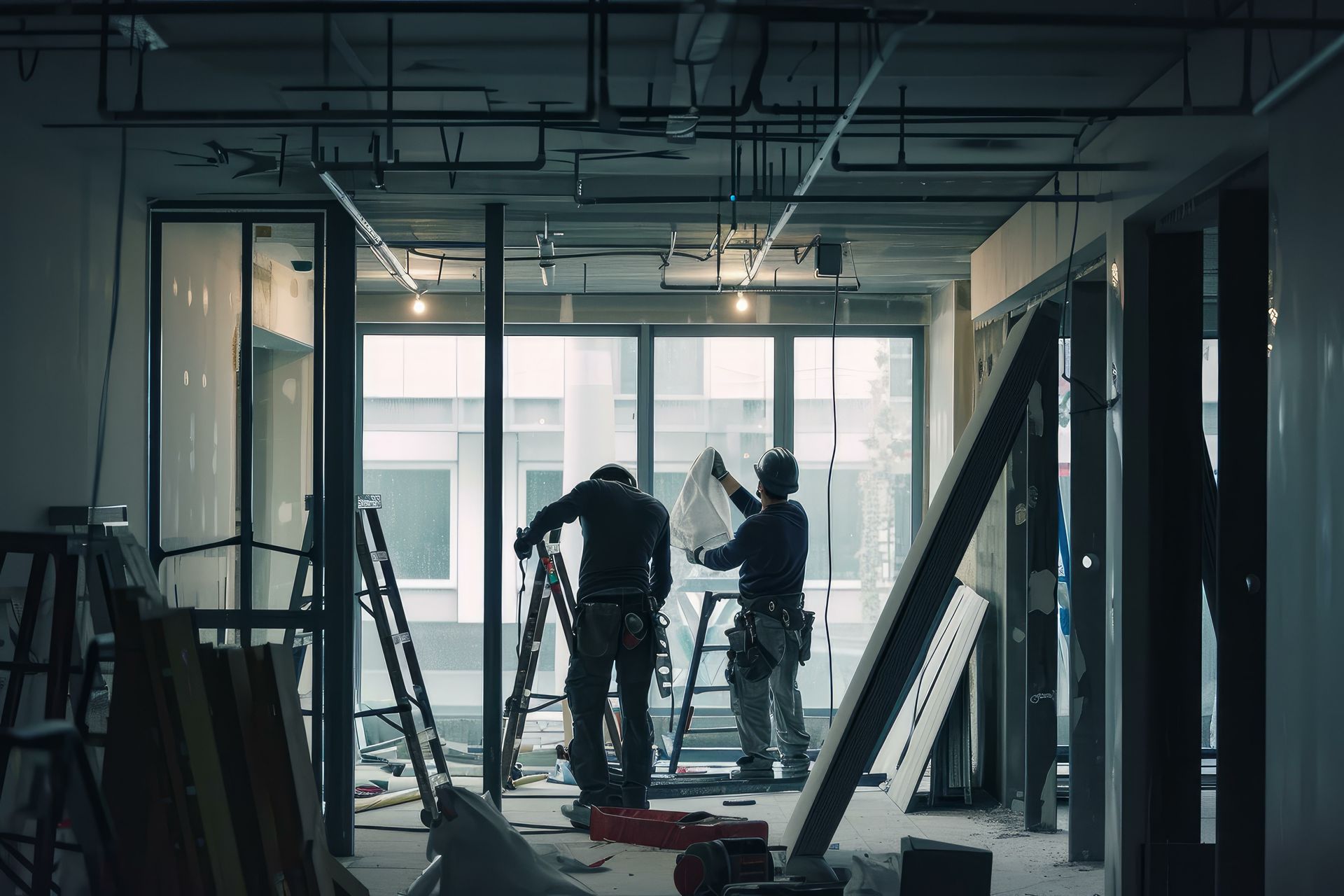
The physical fit-out begins. Work may include strip-out, partitions, ceilings, flooring, electrics, lighting, plumbing, HVAC, decoration, joinery, furniture installation, signage and final finishes. On-site duration varies widely, but most commercial fit-outs fall between 4 and 16 weeks depending on scope.
Testing, Snagging and Handover
The final stage includes testing services, checking finishes, resolving snags, cleaning the space and handing over relevant documents. This may include certificates, operation manuals, maintenance information and warranties. A proper handover prevents problems after occupation and helps the business move in smoothly.
What Can Delay a Commercial Fit-Out?
Most commercial fit-out delays are not caused by one single issue. They usually happen when several small problems build up across design, procurement, access and decision-making. Understanding these risks early helps businesses build a more realistic programme.
Late Design Changes
Changing layouts, finishes, furniture or services after work has started can disrupt the schedule, affect procurement and create additional costs.
Landlord Approvals
In leased commercial premises, landlords may need to approve alterations, signage, services, layouts or reinstatement obligations before work begins.
Long-Lead Materials
Bespoke furniture, specialist lighting, flooring, glazing, joinery and mechanical equipment can create delays if ordered too late.
Hidden Building Issues
Older buildings may reveal problems with electrics, plumbing, ceilings, floors, damp, ventilation or structural elements once work begins.
Restricted Site Access
City-centre sites, shared buildings, limited parking, loading restrictions and occupied offices can slow deliveries and contractor movement.
Poor Coordination
Fit-outs involve multiple trades. If electricians, decorators, flooring installers, joiners and mechanical contractors are not sequenced properly, delays are likely.
Does an Occupied Building Take Longer to Fit Out?
Yes, in many cases, fitting out or refurbishing an occupied commercial building can take longer than working in an empty space. This is because the project has to be planned around staff, customers, tenants, visitors, deliveries and existing business operations. Contractors may need to work in phases, restrict noisy works to certain times, maintain fire escape routes, protect occupied areas and keep dust or disruption under control.
An empty unit allows contractors to work more freely and often more quickly. They can move materials around more easily, create temporary work zones, schedule trades with fewer restrictions and carry out louder or messier tasks during normal working hours. In contrast, a live office, retail space or commercial building often needs more careful sequencing.
Empty Space Fit-Out
An empty commercial space is usually faster because contractors can access all areas at once. However, the timeline may still be long if the building is only a shell and needs services, toilets, ceilings, flooring, fire systems and full interior installation.
Occupied Space Fit-Out
A live commercial environment may need phased works, temporary partitions, staff communication, out-of-hours scheduling, additional cleaning and stricter access control. This can extend the timeline but may reduce business downtime.
How to Keep a Commercial Fit-Out on Schedule
A commercial fit-out is much easier to control when the programme is realistic from the start. Trying to force an unrealistic deadline can create mistakes, rushed decisions, rework and extra cost. The best approach is to identify the deadline early, then work backwards through design, approvals, procurement and on-site delivery.
To reduce delays, businesses should:
Agree the brief before design begins, make decisions quickly, involve the landlord early, order long-lead items in advance, allow time for surveys, confirm responsibilities, plan around staff or customers, and avoid changing the scope once work has started.
Good communication is also essential. Weekly project updates, clear decision deadlines and a realistic schedule help everyone understand what has been completed, what is coming next and what issues need attention. Where the fit-out involves several contractors, coordination is particularly important because one delayed trade can affect several others.
Businesses should also build contingency into the programme. Even well-managed projects can face unexpected issues such as supplier delays, hidden defects, landlord approval times, access problems or changes requested by the client. A sensible contingency period prevents every small issue from becoming a major programme problem.
Example Timeline for a Medium Commercial Office Fit-Out
The example below shows how a typical medium-sized office fit-out might be structured. Actual timelines vary depending on the size, specification and building condition, but this gives businesses a practical view of how the process often works.
| Stage | Typical Duration | Key Activities |
|---|---|---|
| Brief and Survey | 1–2 weeks | Initial meeting, site inspection, business needs, building review and early feasibility checks. |
| Design and Space Planning | 2–4 weeks | Layout options, meeting rooms, furniture planning, finishes, staff areas and design development. |
| Specification and Pricing | 2–3 weeks | Materials, costs, programme, trade packages, contractor input and value engineering if required. |
| Approvals and Procurement | 3–6 weeks | Landlord approval, building control where needed, ordering furniture, flooring, lighting and specialist items. |
| On-Site Fit-Out | 6–12 weeks | Strip-out, partitions, ceilings, electrics, HVAC, flooring, decoration, joinery and furniture installation. |
| Snagging and Handover | 1–2 weeks | Final checks, testing, cleaning, snag resolution, certificates and handover documents. |
Frequently Asked Questions
How long does a commercial fit-out usually take?
Short answer: Most commercial fit-outs take between 4 and 16 weeks on site, but the full project timeline can be longer once design, approvals, procurement and planning are included.
The exact duration depends on the size of the space, the type of business, the condition of the building and the complexity of the design. A small office refresh involving decoration, flooring, lighting and furniture may only take a few weeks once work starts. A more detailed office fit-out with meeting rooms, acoustic treatments, data cabling, HVAC changes and bespoke joinery can take much longer.
Retail, hospitality and industrial fit-outs can also vary significantly. A retail unit may be driven by an opening date and require high-quality customer-facing finishes, while a hospitality venue may involve kitchens, extraction, plumbing, toilets, fire safety and licensing considerations. These added requirements can extend both the planning and delivery stages.
It is also important to remember that the on-site period is only part of the full timeline. Before contractors begin, there may be surveys, concept designs, cost planning, landlord approvals, permissions, material ordering and programme coordination. For this reason, a project that takes 8 weeks on site may still need 12 to 20 weeks of total planning and delivery time. Businesses should start early, especially if they have a fixed move-in date, lease event or trading deadline.
What is the fastest way to complete a commercial fit-out?
Short answer: The fastest way to complete a commercial fit-out is to finalise the brief early, make quick decisions, avoid late design changes and order long-lead items before the on-site phase begins.
Speed depends heavily on preparation. Many delays happen before construction starts because decisions about layouts, finishes, furniture, lighting or services are left too late. If the design is unclear, contractors cannot price accurately, suppliers cannot order materials and the programme becomes uncertain. A clear brief at the start makes the whole process faster.
Early landlord involvement is also important. In leased commercial premises, landlords may need to approve alterations, signage, layouts, mechanical services or reinstatement obligations. Waiting until the last minute for approval can delay the start date. The same applies to building control or fire safety considerations where the fit-out affects layouts, escape routes, accessibility or services.
Another major factor is procurement. Flooring, specialist lighting, furniture, glazing, bespoke counters, joinery and mechanical equipment may all have lead times. Ordering these too late can hold up the entire project. A contractor can often sequence works efficiently, but they cannot install materials that have not arrived.
Fast projects also need strong coordination. Trades must be scheduled in the correct order, and decisions should not be changed once work begins unless absolutely necessary. A rushed fit-out without planning can create mistakes, rework and extra cost, so the real goal is not just speed; it is controlled speed with proper preparation.
Can a fit-out be completed while the business stays open?
Short answer: Yes, many commercial fit-outs and refurbishments can be completed while the business remains open, but the timeline may be longer because the work has to be phased and carefully controlled.
Working in a live commercial environment is very different from working in an empty unit. Contractors must consider staff, customers, visitors, deliveries, noise, dust, fire routes, welfare facilities and business operations. The project may need to be split into phases so that one area is completed before another begins. This can help the business continue operating, but it often extends the overall duration.
For offices, live working may involve moving teams between departments, using temporary meeting rooms, protecting IT systems, restricting access to work zones and scheduling noisy tasks outside normal working hours. For retail or hospitality spaces, the work may need to happen overnight, on closed days or behind temporary hoardings to protect customers and maintain trading.
Health and safety planning becomes especially important in occupied buildings. Work areas should be separated from staff and visitors, escape routes must remain safe, and everyone should understand which areas are restricted. Communication is crucial. Employees or site users should know what is happening, when noisy works are planned and whether access routes are changing.
A live fit-out can reduce downtime and avoid a full closure, but it needs realistic planning. In some cases, a short closure may actually be more efficient and less costly than a prolonged phased programme. The right approach depends on the business, the property and the level of disruption the organisation can tolerate.
What causes delays during a commercial fit-out?
Short answer: The most common causes of commercial fit-out delays are late design changes, landlord approvals, long-lead materials, hidden building issues, access restrictions and poor trade coordination.
Late changes are one of the biggest causes of delay. If a business changes the layout, furniture specification, flooring, lighting or meeting room requirements after work has started, the contractor may need to revise drawings, reorder materials and reschedule trades. Even a small change can affect several parts of the programme.
Landlord approvals can also slow the process. Many commercial leases require approval before tenants alter layouts, services, signage, fire systems or external features. If this is not handled early, the project may be ready to start but unable to proceed. Building control requirements can also affect timelines where the fit-out changes fire safety, accessibility, drainage, ventilation or structure.
Hidden building issues are another common problem, particularly in older premises. Contractors may uncover poor electrics, damaged ceilings, uneven floors, damp, asbestos concerns, plumbing issues or inadequate ventilation. These problems may need to be resolved before the fit-out can continue safely.
Procurement delays can also be significant. Bespoke furniture, joinery, specialist lighting, glazing, flooring and mechanical equipment may not be available immediately. If these items are not ordered early, trades may be left waiting. Finally, poor coordination between trades can create avoidable delays. Fit-out work requires a clear sequence, because one delayed activity can affect several others.
How much planning time should be allowed before the on-site fit-out starts?
Short answer: Businesses should usually allow at least 4 to 12 weeks for planning before the on-site fit-out begins, depending on the project size, design complexity and approval requirements.
Planning time is often underestimated because clients naturally focus on the physical work. However, the success of the on-site phase depends on what happens before contractors arrive. The planning stage may include site surveys, measuring, layout design, furniture planning, mechanical and electrical reviews, cost development, material specification, landlord approvals, programme planning and health and safety preparation.
For a simple small office fit-out, planning may only take a few weeks if the brief is clear and decisions are made quickly. For a larger commercial fit-out, planning can take several months, especially if there are multiple stakeholders, several design revisions, bespoke materials or complex building services.
Landlord approval can be a major factor in leased buildings. Tenants may need consent for alterations, signage, service changes, partitioning or works that affect the building fabric. If approvals are required, they should be started early to avoid delaying the site start date.
Procurement is another reason to allow proper planning time. Some materials and products have long lead times, particularly furniture, lighting, glazing, mechanical equipment and bespoke joinery. Ordering early helps keep the programme moving. In short, a well-planned fit-out may seem slower at the beginning, but it is usually faster, smoother and less stressful overall.
Does a Cat A or Cat B fit-out take longer?
Short answer: A Cat B fit-out usually takes longer than a Cat A fit-out because it is more customised and includes the features a business needs to operate day to day.
A Cat A fit-out generally provides a basic landlord finish. This may include raised floors, suspended ceilings, basic lighting, mechanical services, fire systems and general internal finishes. It prepares the space for occupation at a basic level, but it does not usually include the detailed layout, branding, furniture or specialist areas needed by a specific occupier.
A Cat B fit-out goes further. It creates the actual working environment for the business. This may include meeting rooms, private offices, breakout areas, kitchens, reception areas, furniture, data cabling, acoustic solutions, signage, branded finishes, storage, specialist lighting and staff facilities. Because Cat B work is tailored to the occupier, it involves more decisions, more coordination and often more bespoke elements.
Cat B projects usually take longer because they require detailed design and specification before work begins. Furniture, joinery, glass partitions, flooring and specialist finishes may also have longer lead times. The timeline can increase further if the project involves multiple floors, phased occupation or upgrades to mechanical and electrical systems.
However, the starting condition matters. A Cat A space that is poorly prepared or missing essential services may still need significant work before Cat B installation can begin. The best approach is to assess the space properly, understand what is already in place and then create a realistic programme based on the actual scope.
Planning a Commercial Fit-Out Timeline Properly
A successful commercial fit-out is not just about how quickly contractors can work on site. It depends on early planning, clear decisions, realistic procurement, landlord coordination, health and safety arrangements and a programme that reflects the true complexity of the space.
Businesses that allow enough time before work begins usually experience fewer delays, better cost control and a smoother handover. Whether the project is a small office refresh, a full workplace fit-out or a larger commercial transformation, the best results come from understanding the timeline before committing to a deadline.